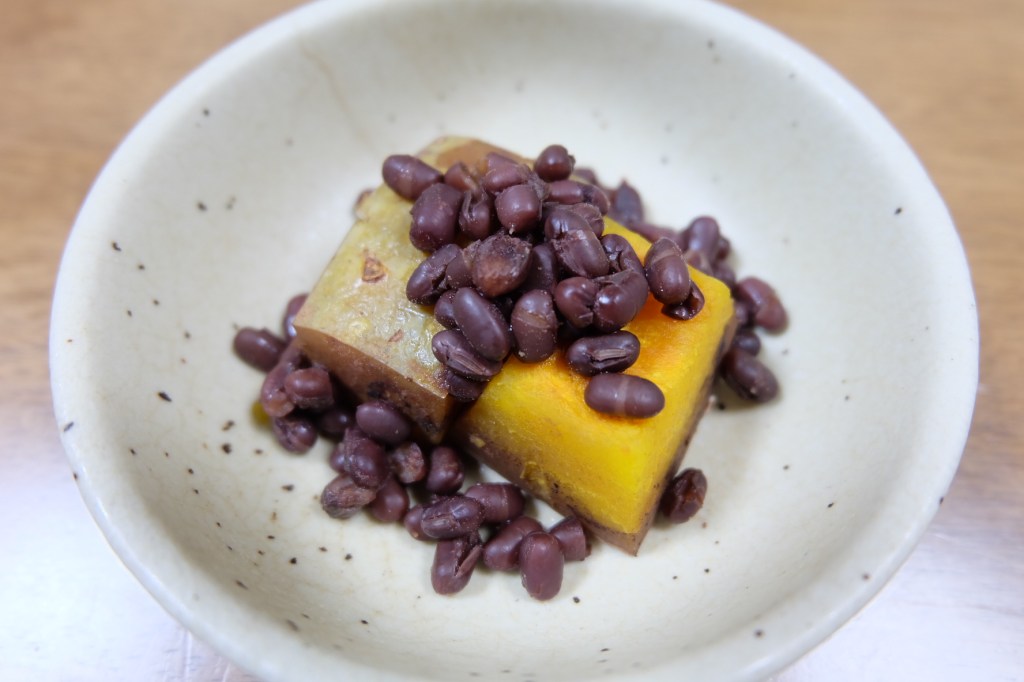
I first understood that cooking is a chemical reaction when I made a dish called azuki squash for the first time. Azuki squash is a dish made by simply boiling adzuki beans and winter squash together in water and seasoning it with salt, but the flavors of the two ingredients combine to make it very delicious. It's as if a chemical reaction occurs between the two while they are boiling, bringing out a flavor that can't be achieved by simply boiling them separately and combining them.
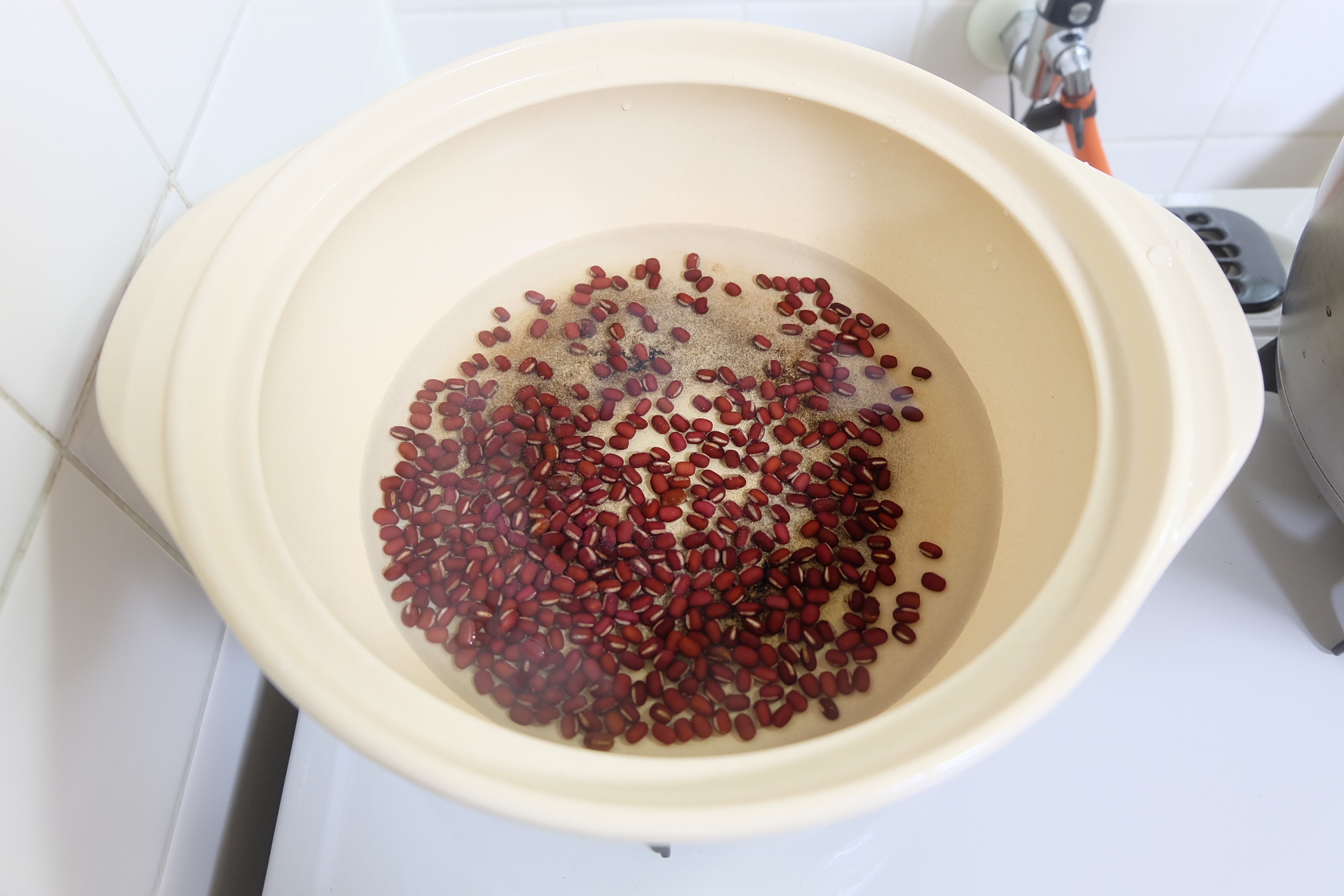
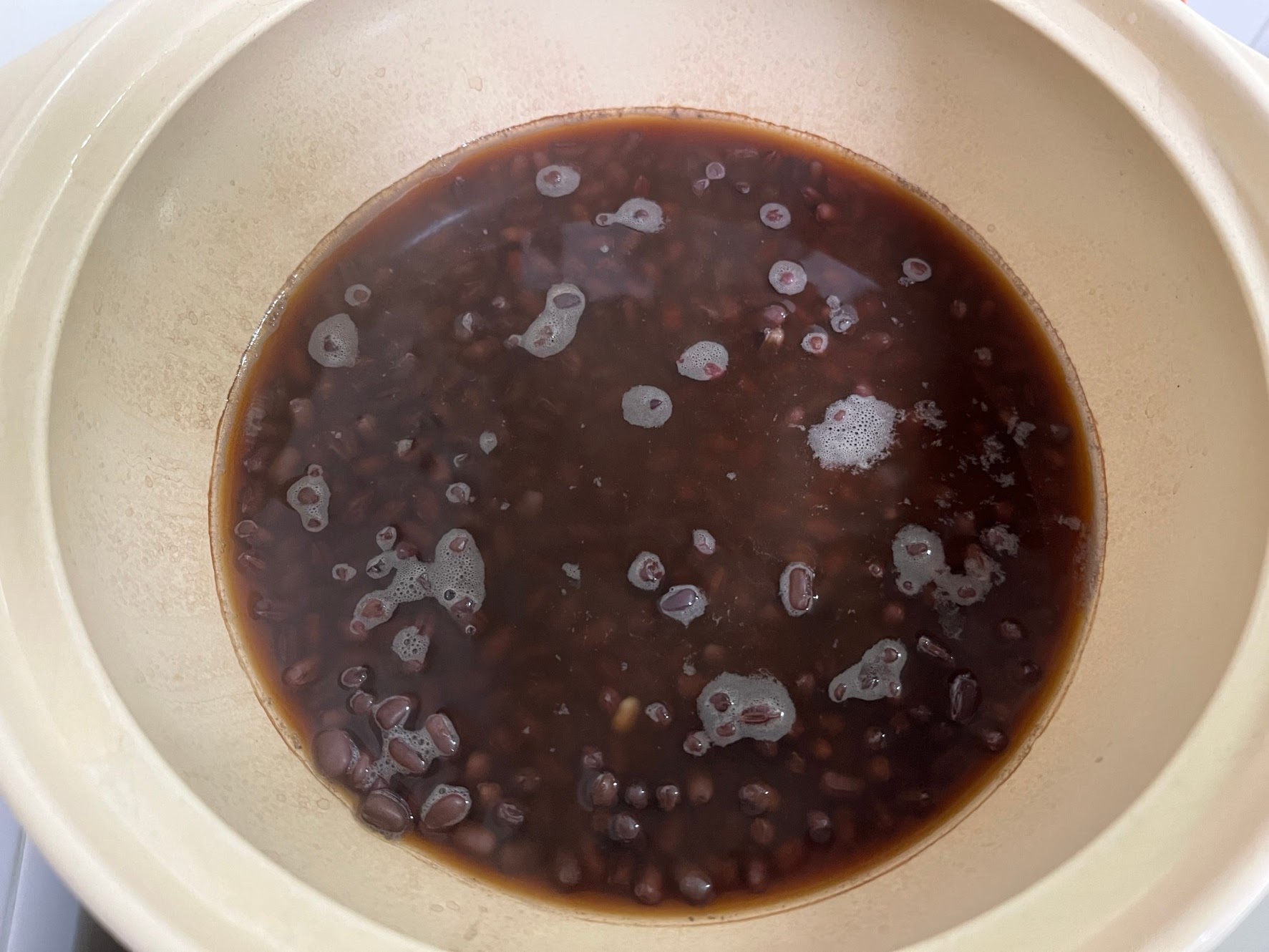
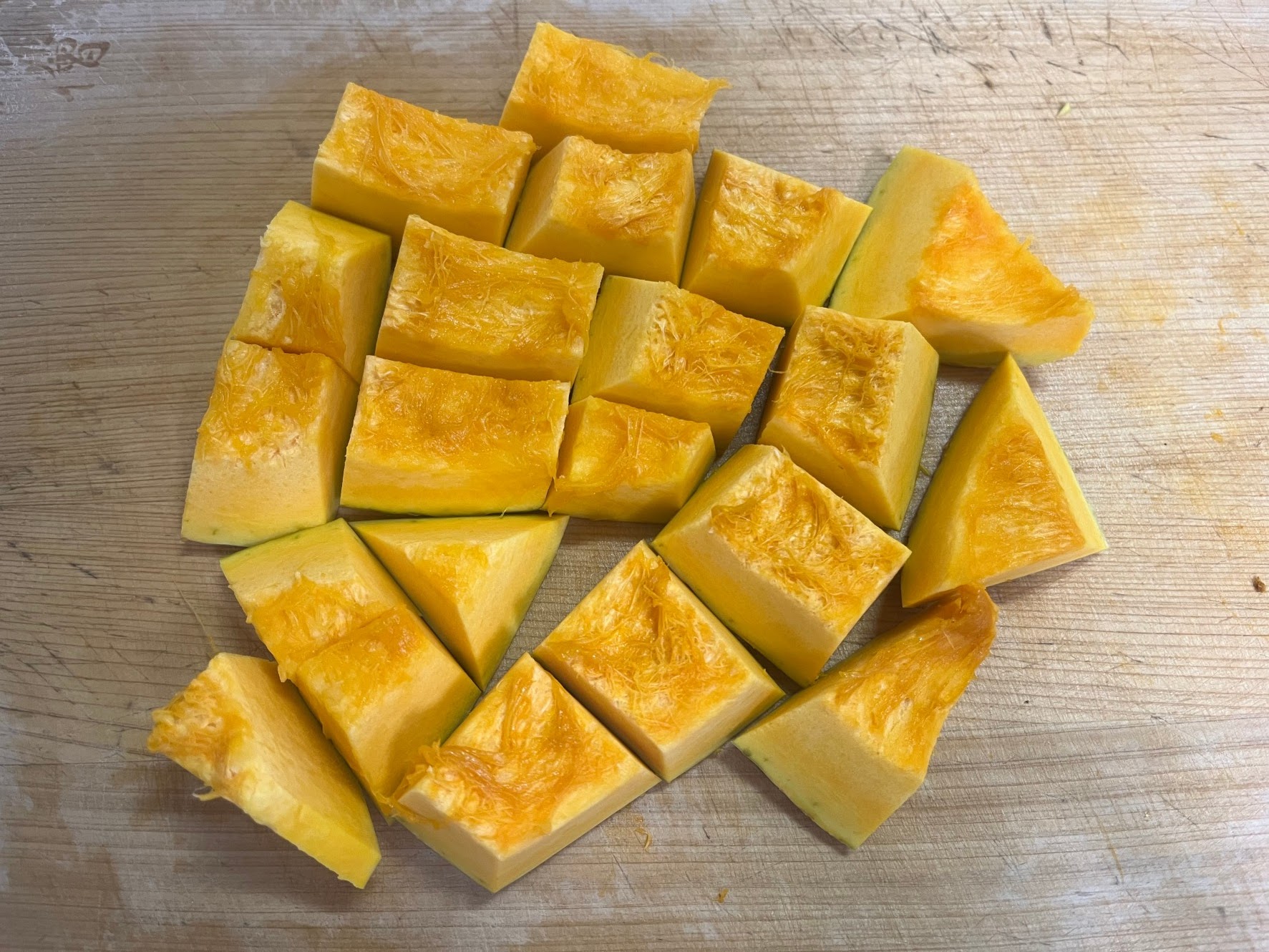
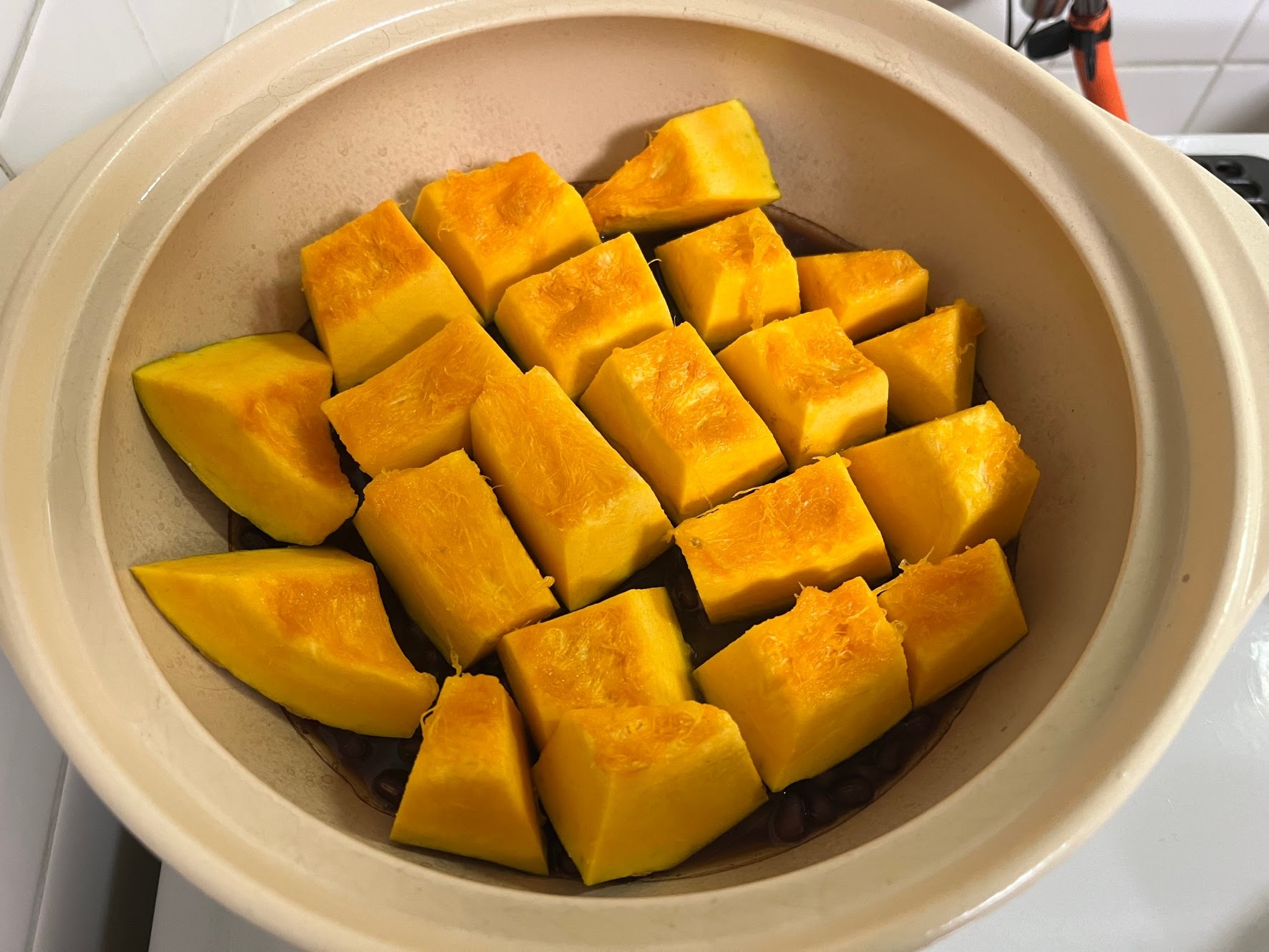
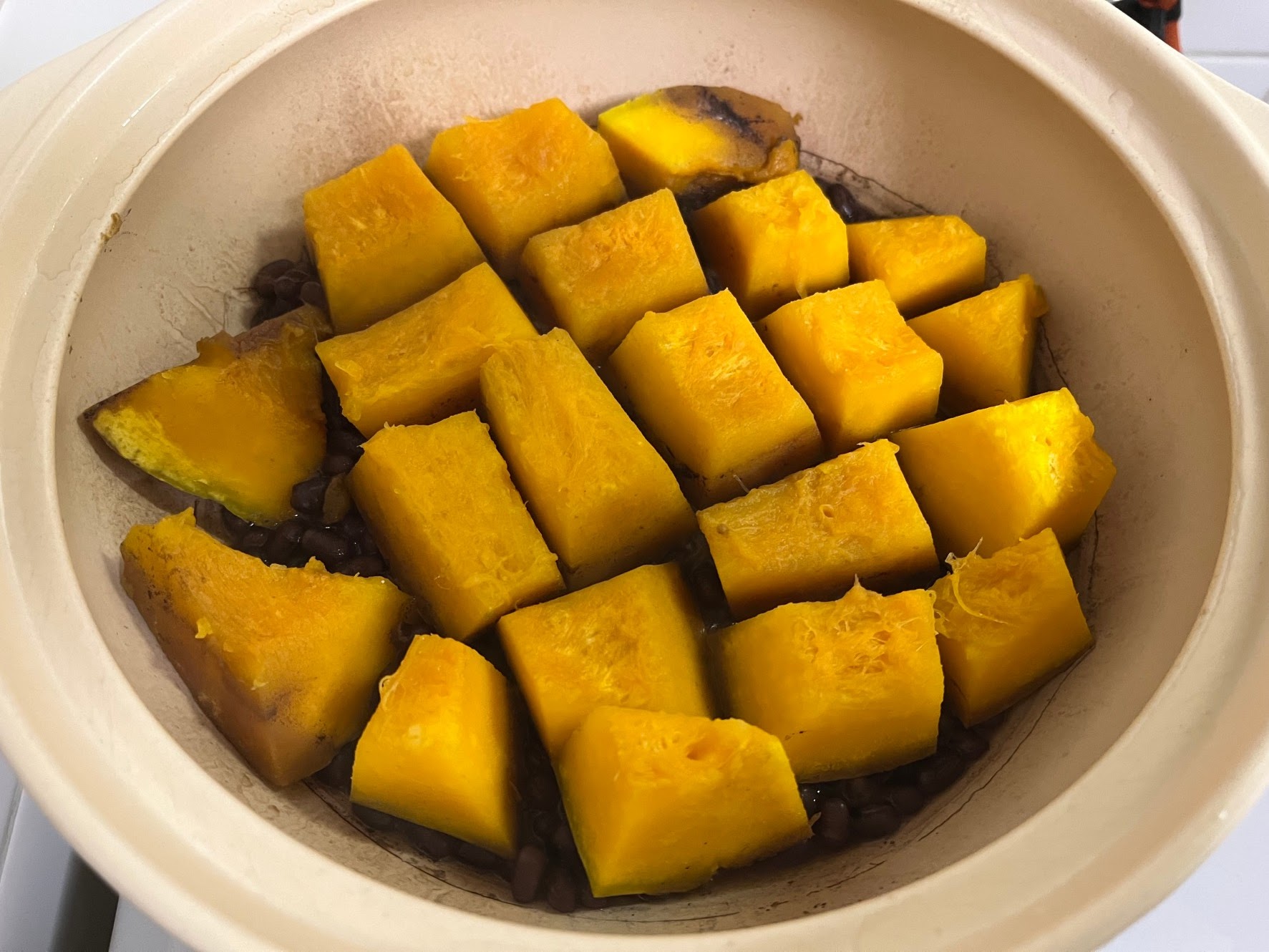
It is very rare to come across a restaurant that serves a dish called azuki squash. It takes time to cook the azuki beans, and the way the squash cooks changes depending on how ripe it is, so it is difficult to achieve a consistent taste and texture. Furthermore, the dish that is so laboriously made has a light, simple taste without any oiliness, so it is not a main dish and it is not cost-effective to serve it in a restaurant. It is a dish that is eaten at home after all. Azuki squash has many benefits and is good for the body, and there is even a custom of eating it on the winter solstice for nourishment and strengthening, so I think it is a suitable dish to eat together as a prayer for the health of the family.
Why not try making this kind of azuki squash at home?
This year, our farm focused on growing squash, and we were able to harvest a fair amount of squash. Although the drought continued and there were many failures, the yield was not what we had hoped for, we were able to harvest a fair amount, and after ripening for a month after harvest, we were able to prepare squash with a strong flavor and sweetness.
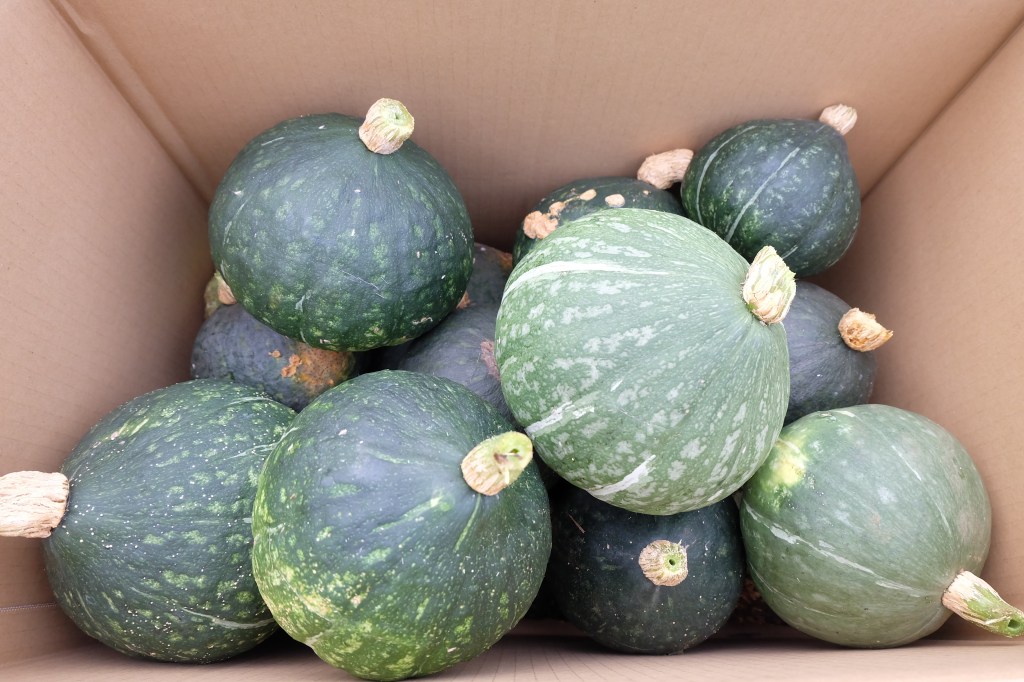
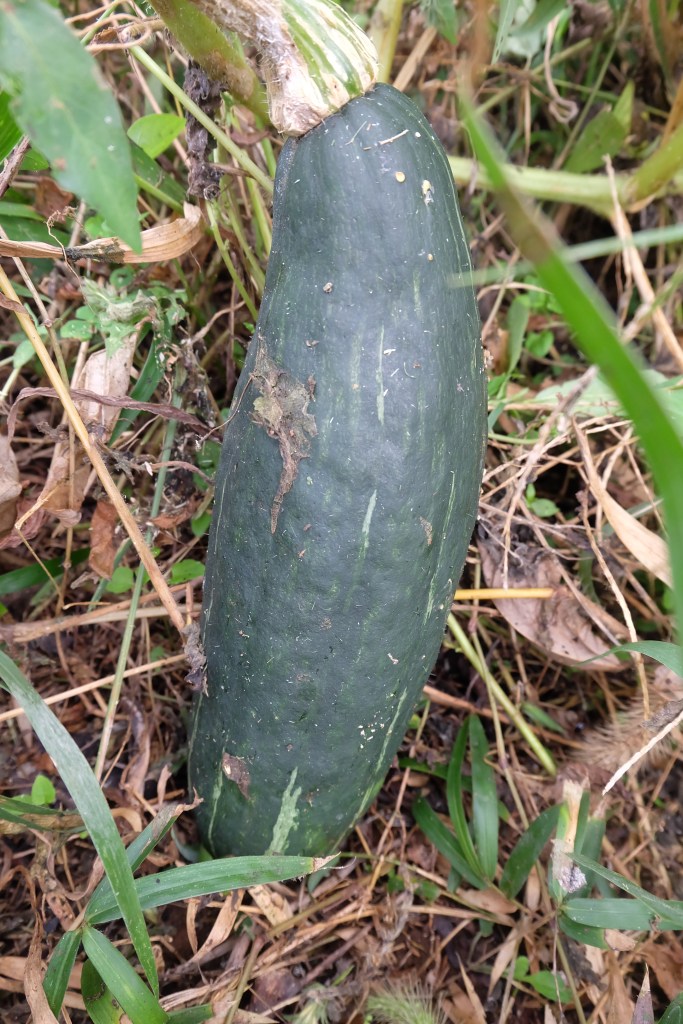
There are three main types of squash:
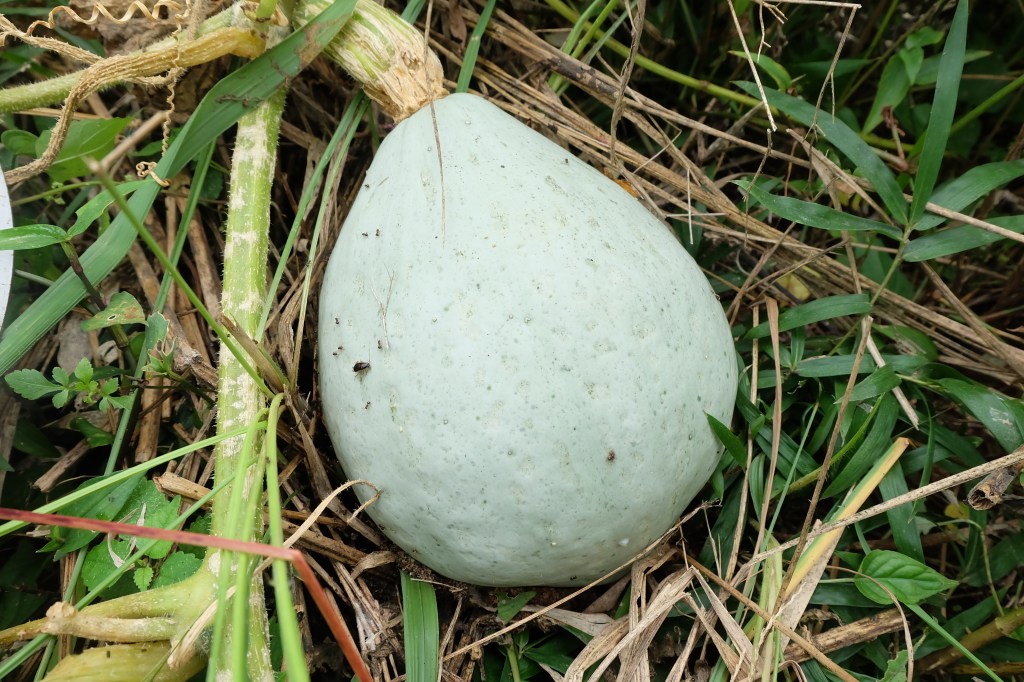
Long-shaped sweet tackle squash (sweet, fluffy texture),
Regular squash (sweet, soft),
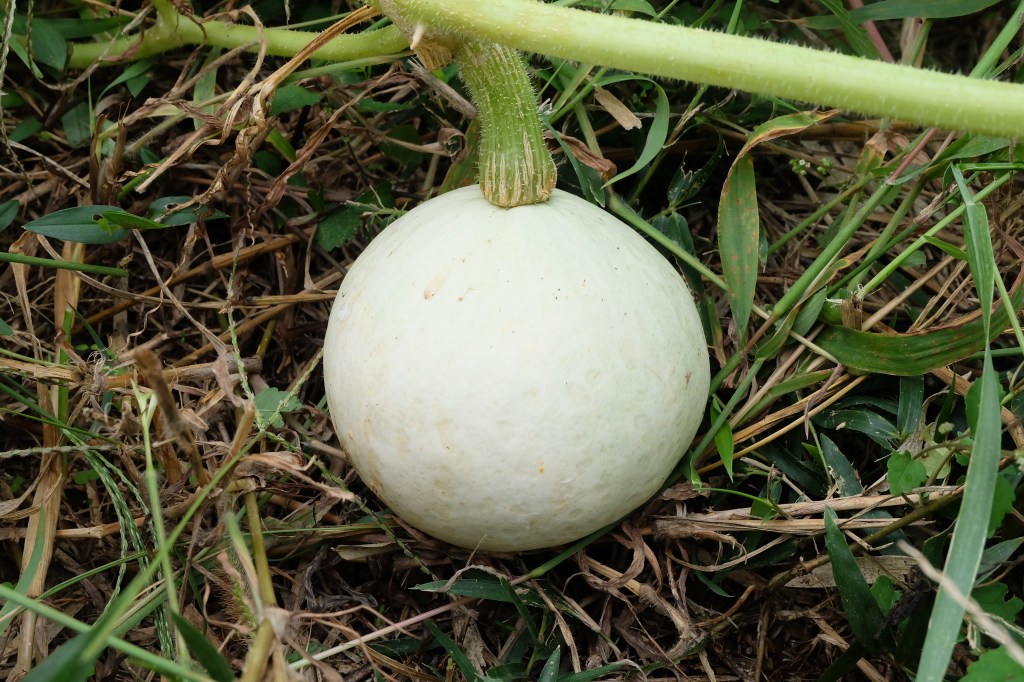
Long-storage white-skinned squash (sweet, fluffy texture).

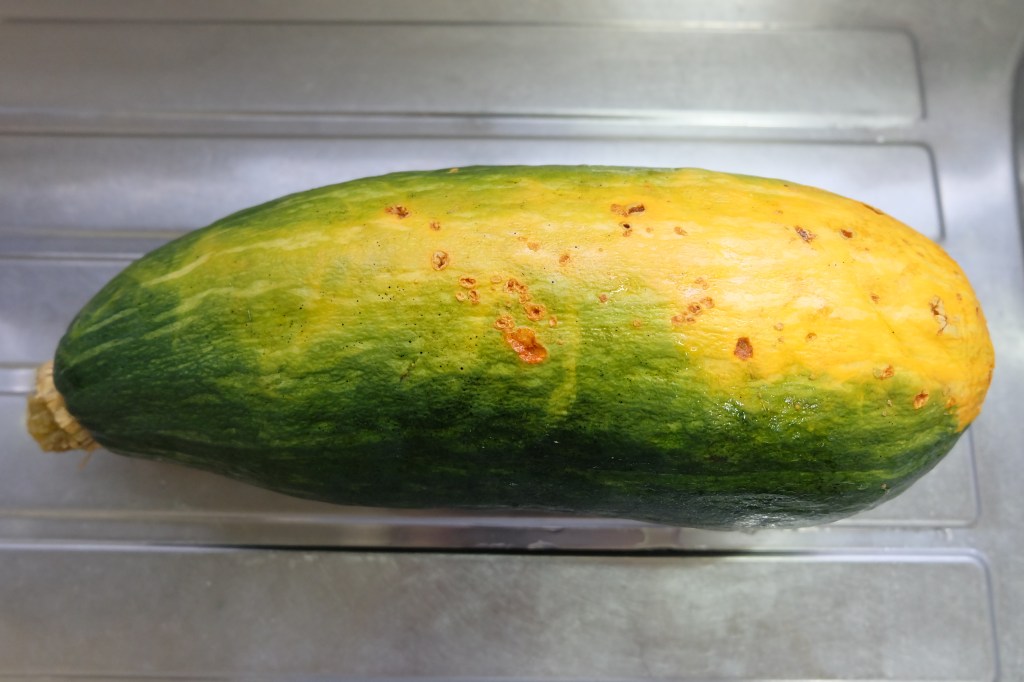
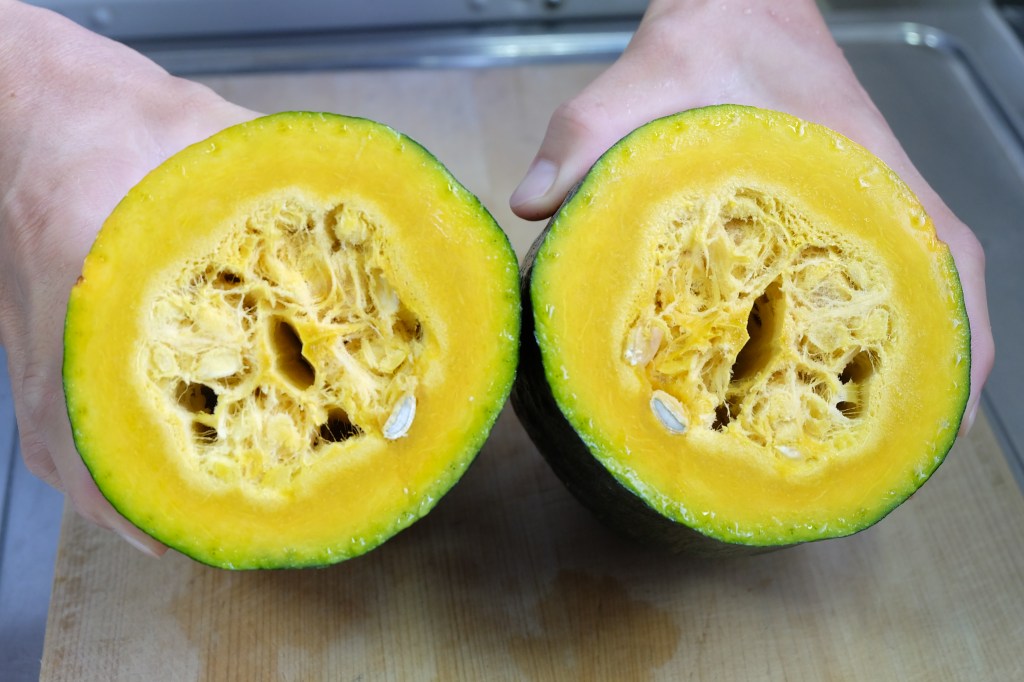
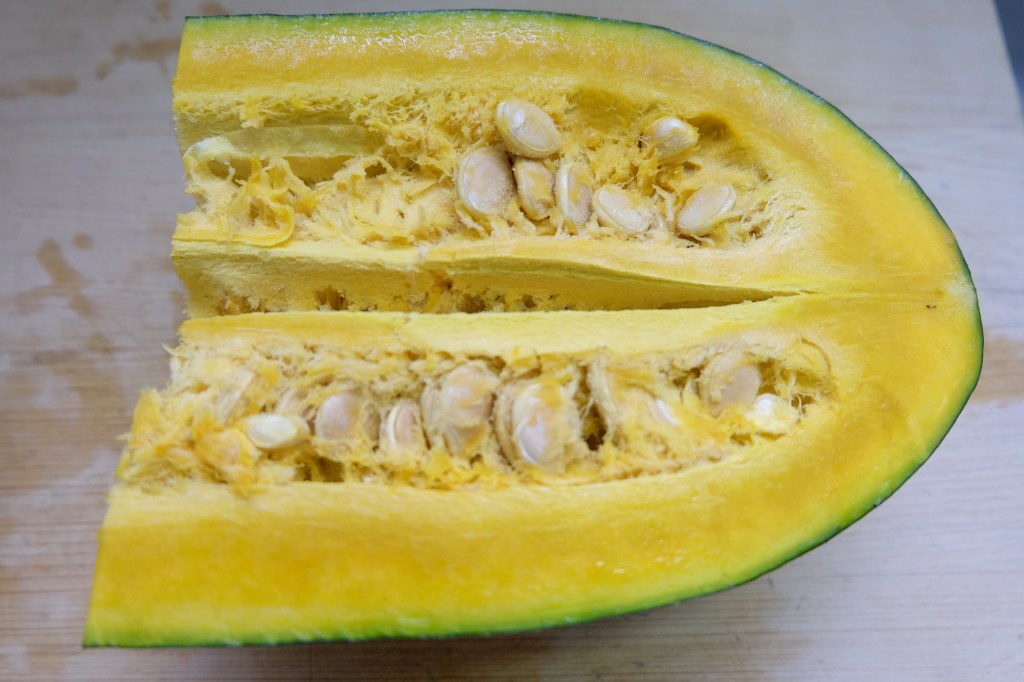
On the other hand, the round green squashes that you often see in supermarkets have a wide range of uses and are suitable for any type of cooking, including stews, stir-fries, sweets, and soups.
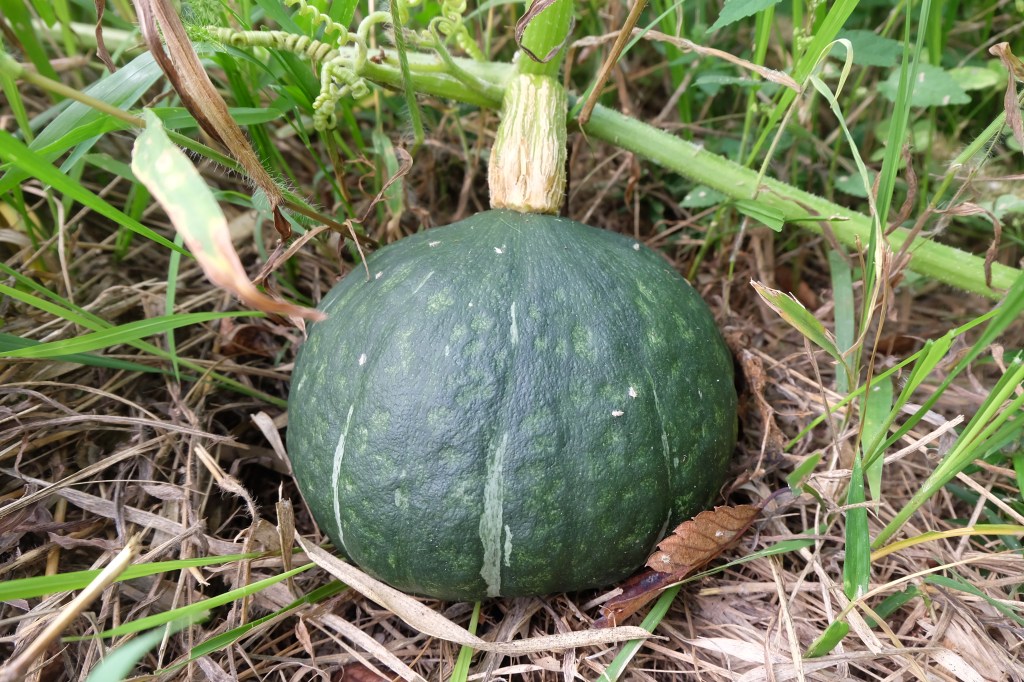
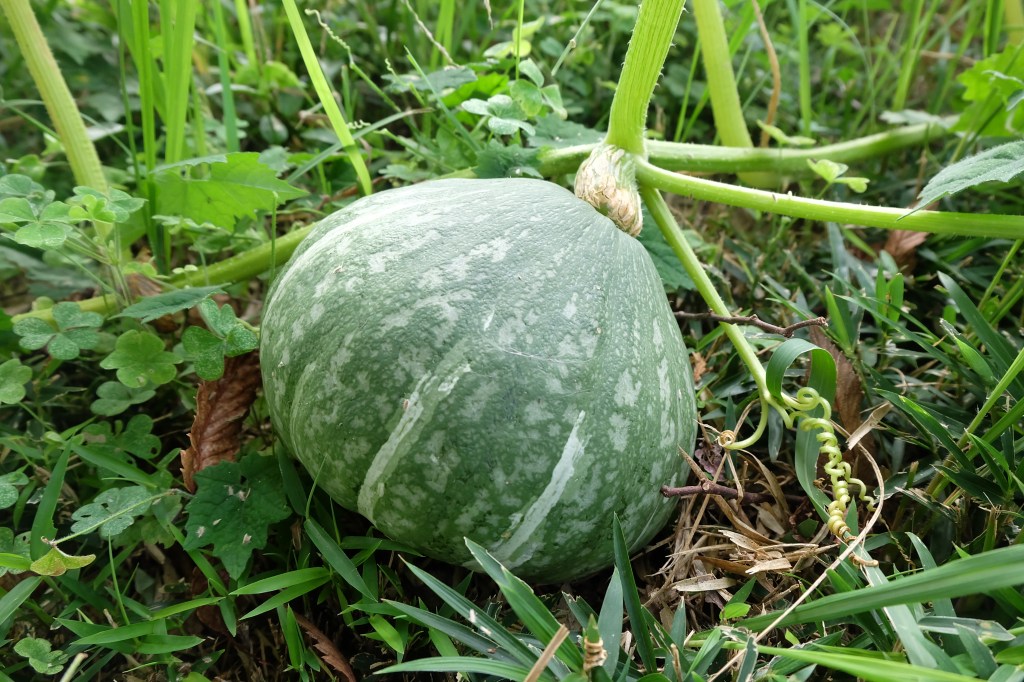

White-skinned squashes have the advantage of being easy to store. If the squash is in good condition and the storage environment is good, it can be stored until next spring.


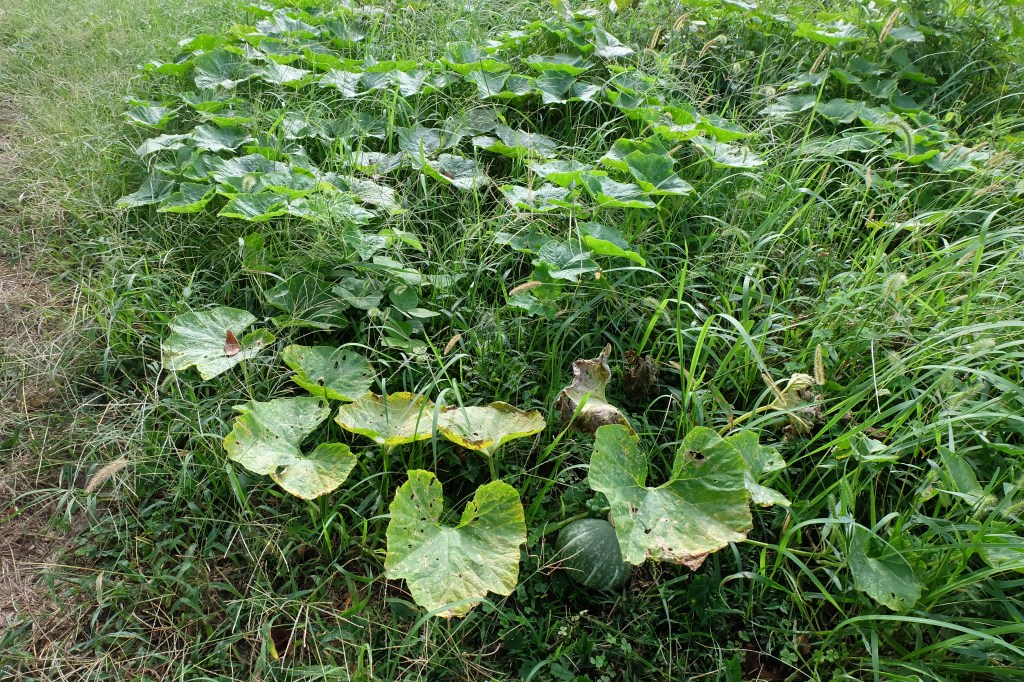
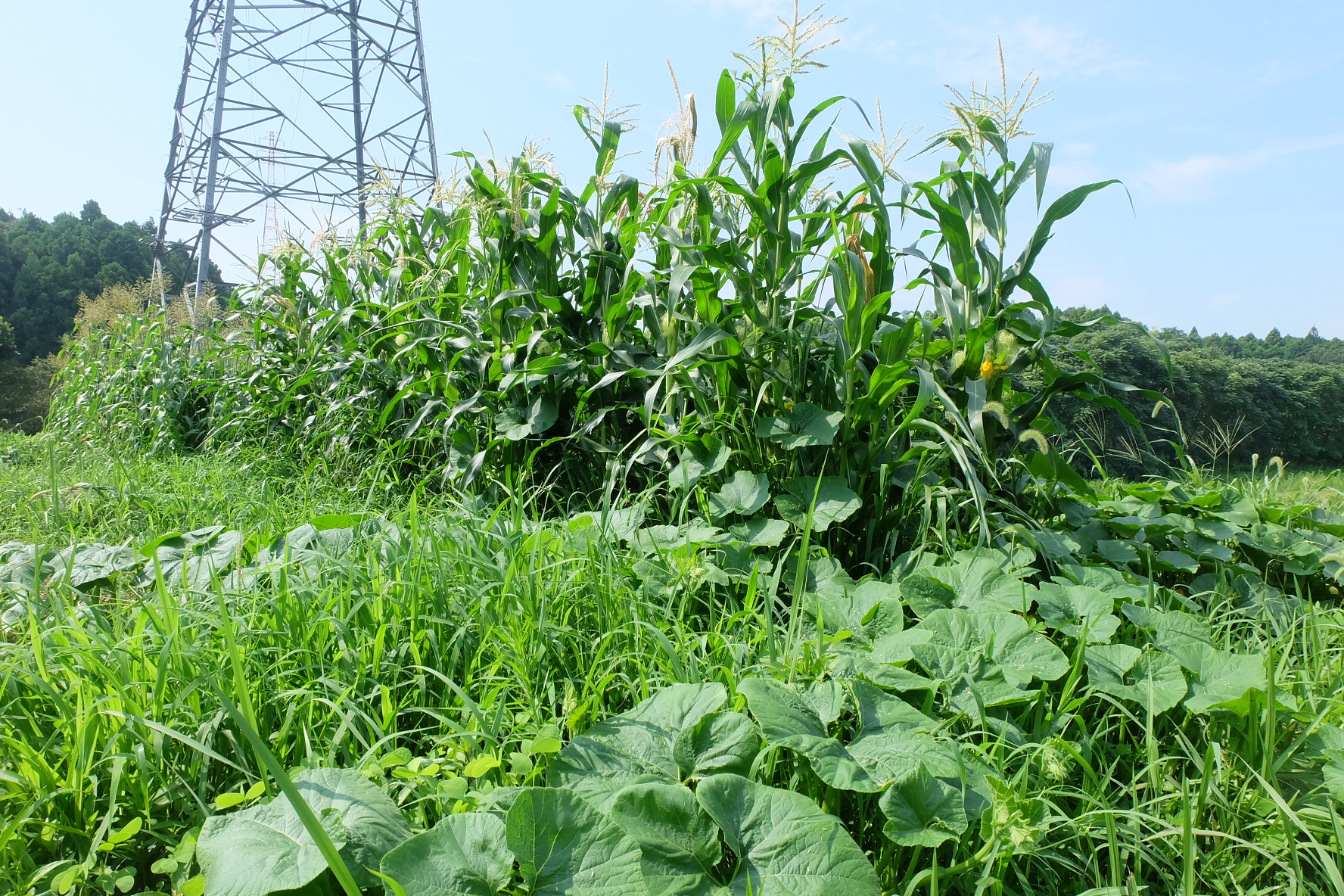
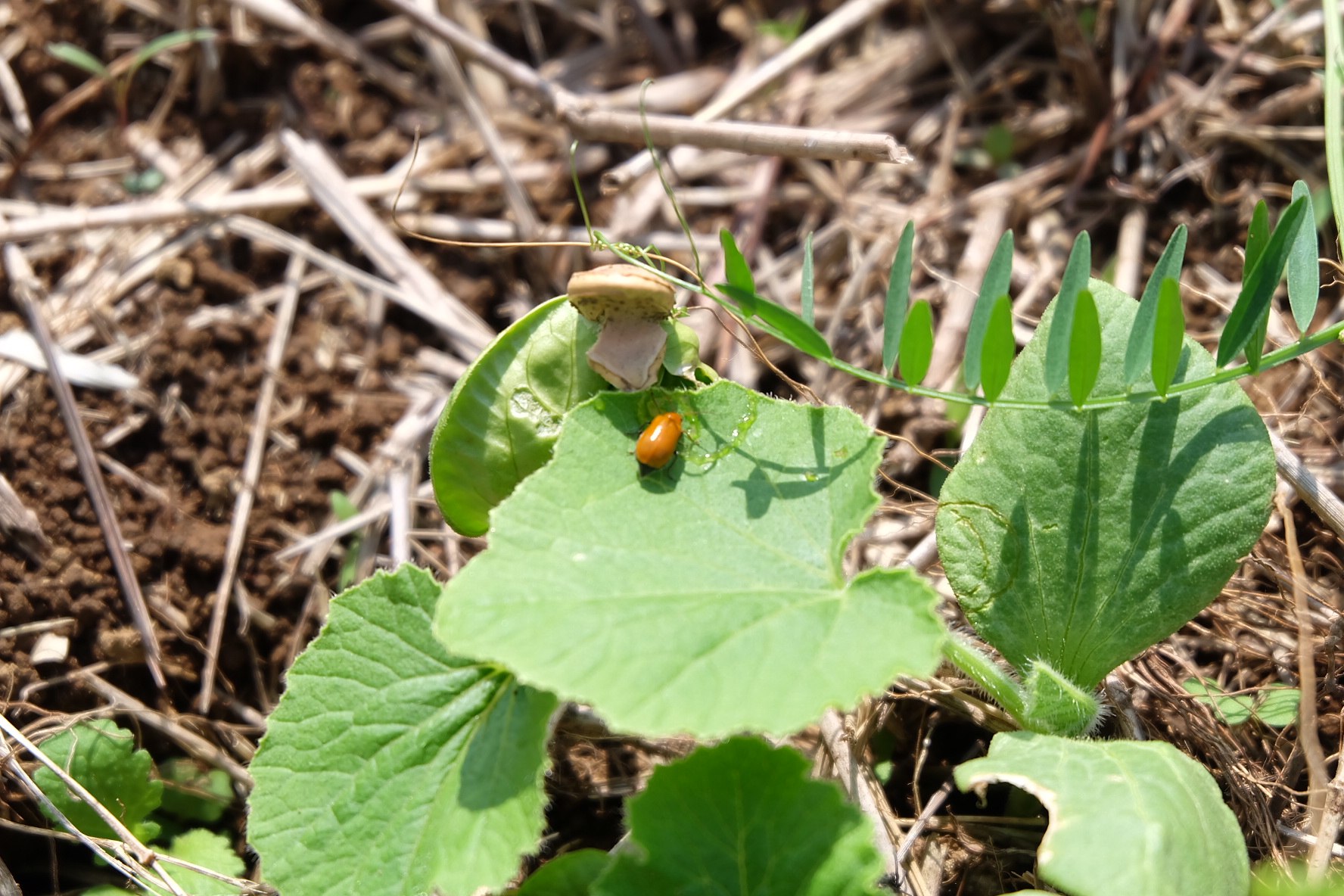
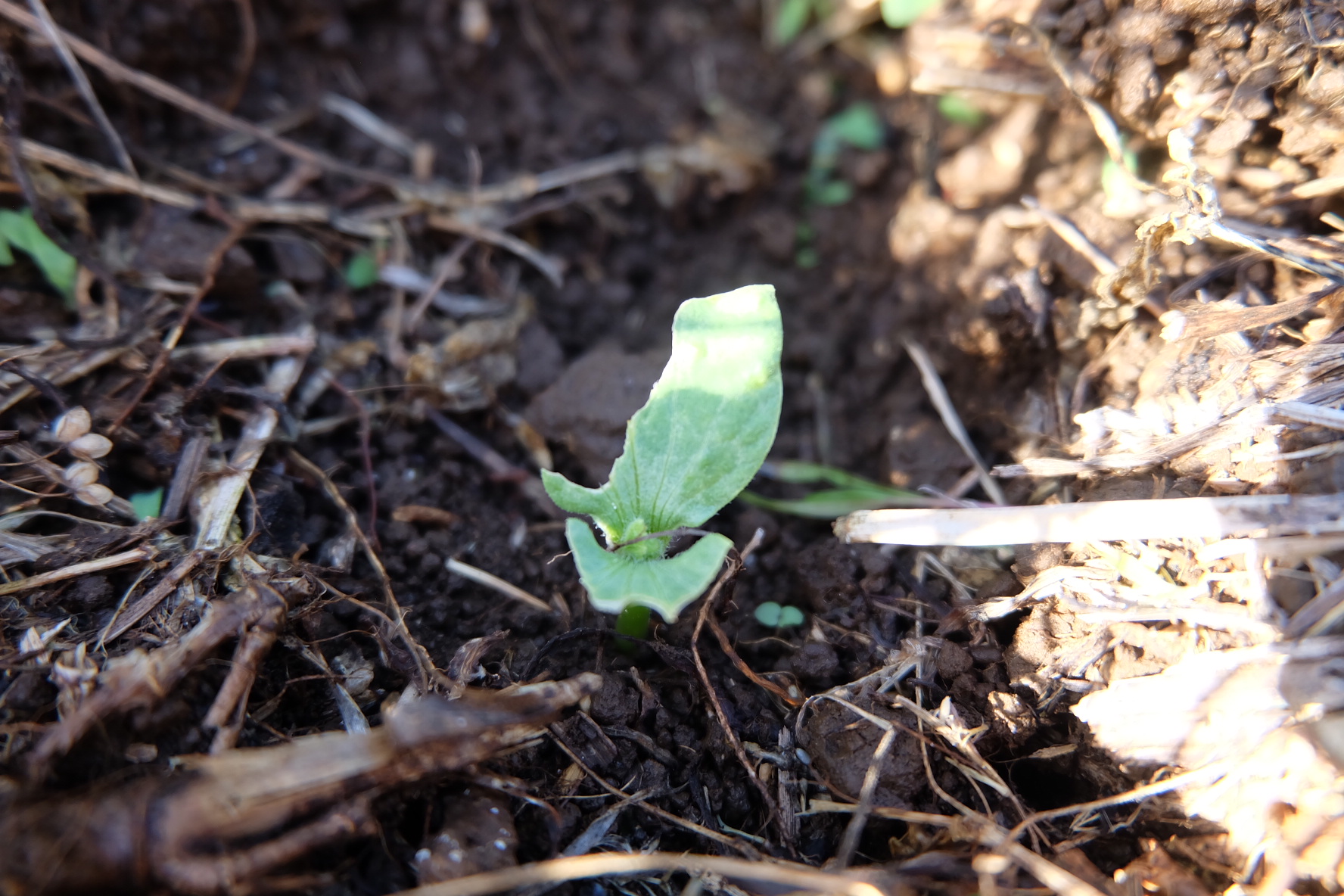
This year's squash cultivation was very difficult, as the seeds did not grow well after germination, and I had to re-sow the seeds three times. Also, although it would not have been necessary if it rained regularly, I watered the squashes during the drought in July and August to keep the leaves from withering. I was able to harvest a lot of squashes in mid-September. Pumpkins are generally a type of summer vegetable, so they are available as early as late July. I ended up selling mine three months later than that, but in my opinion, squashes are best enjoyed from autumn to winter because of their deep flavor. pumpkin potage and pumpkin cakes are highly recommended now that it's starting to get a little cold.
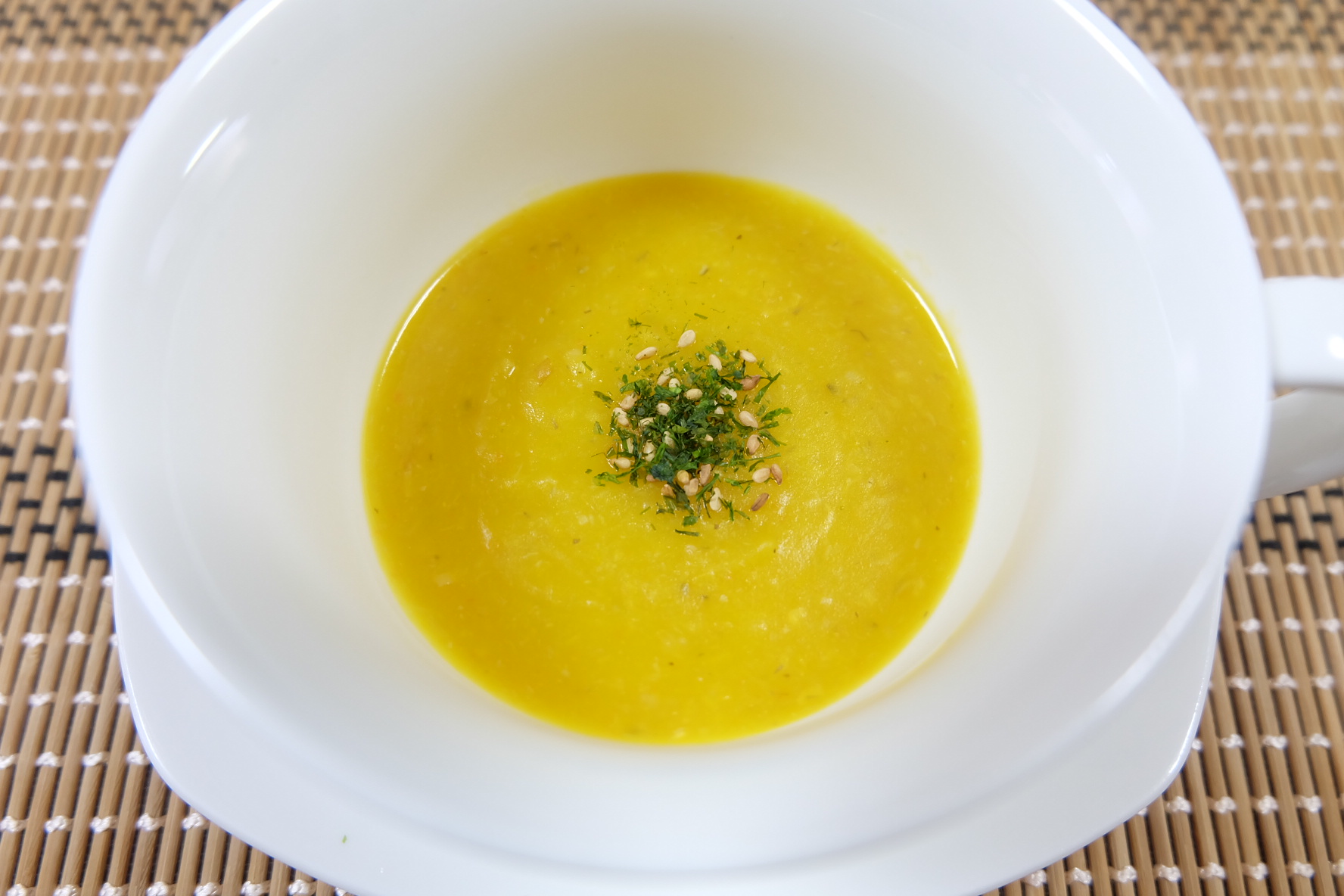
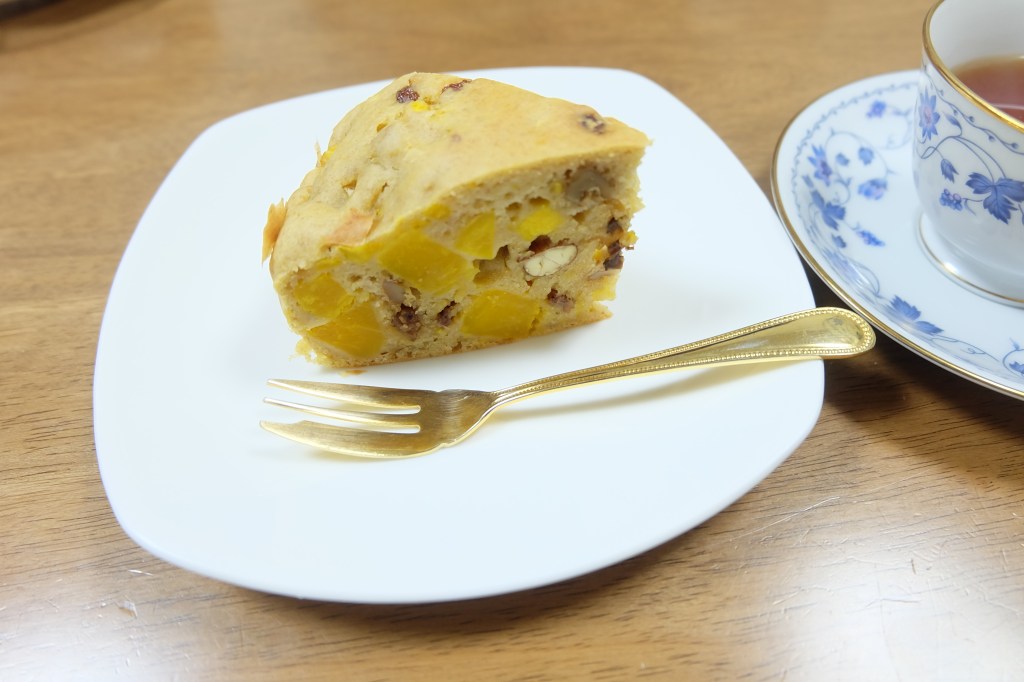
Now, we have harvested over 100 of these squashes, so we will be selling them to anyone who is interested.
There are three types: sweet-tasting sweet tackle, regular winter squash that can be used for anything, and white-skinned squash that is easy to store and has a powdery texture.
If you let us know the type and quantity you need, I will deliver it to your home or send it by mail. The cost is 800 yen per piece, and 1,500 yen for larger pieces, excluding shipping.
We accept orders from 1 piece to a maximum of 30 pieces. (We may not be able to prepare more than 5 of one type.) If you have any requests, please contact us!
Thank you very much for your cooperation.
October 21st, 2024:Taka
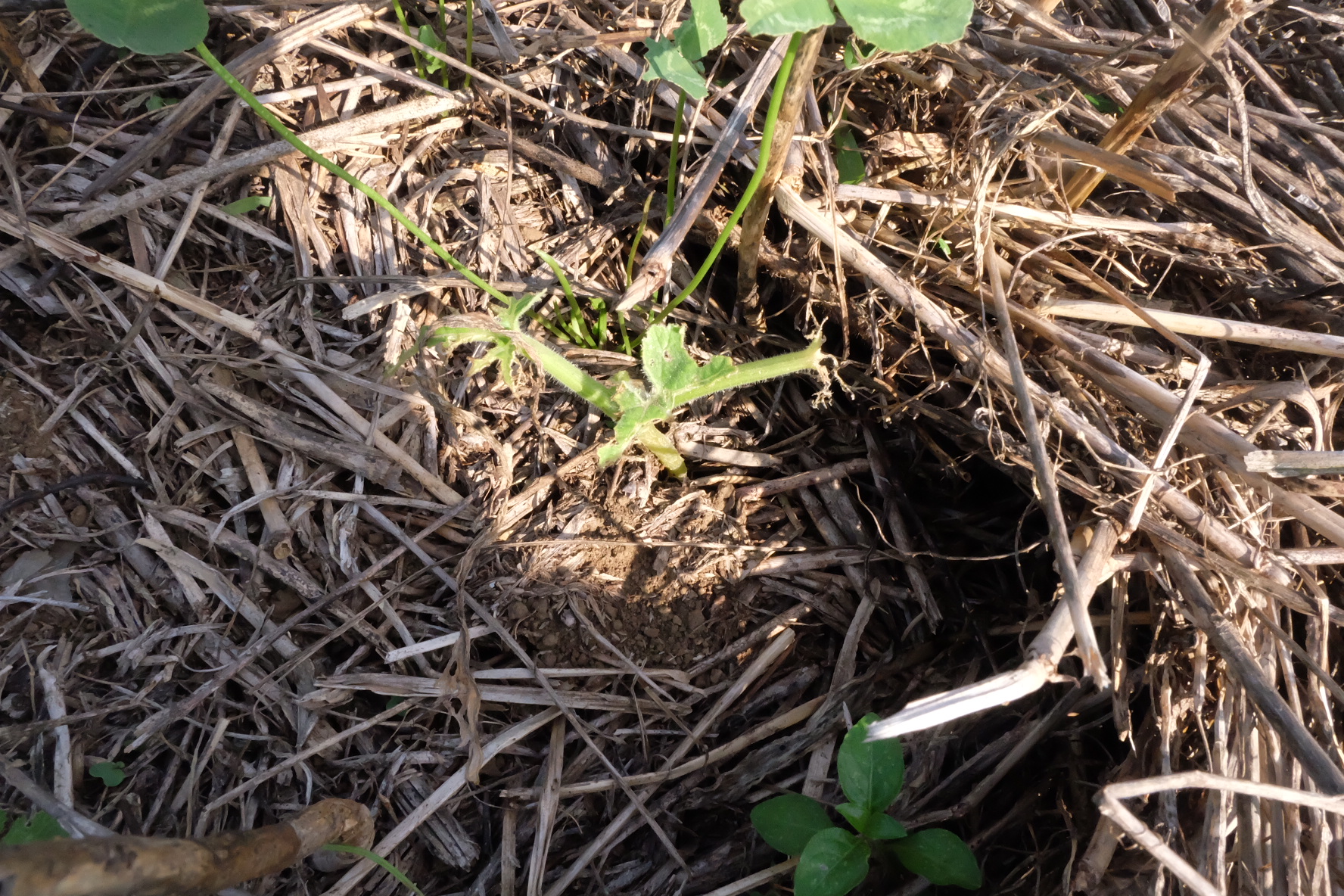
Below is the growth record of the squash.


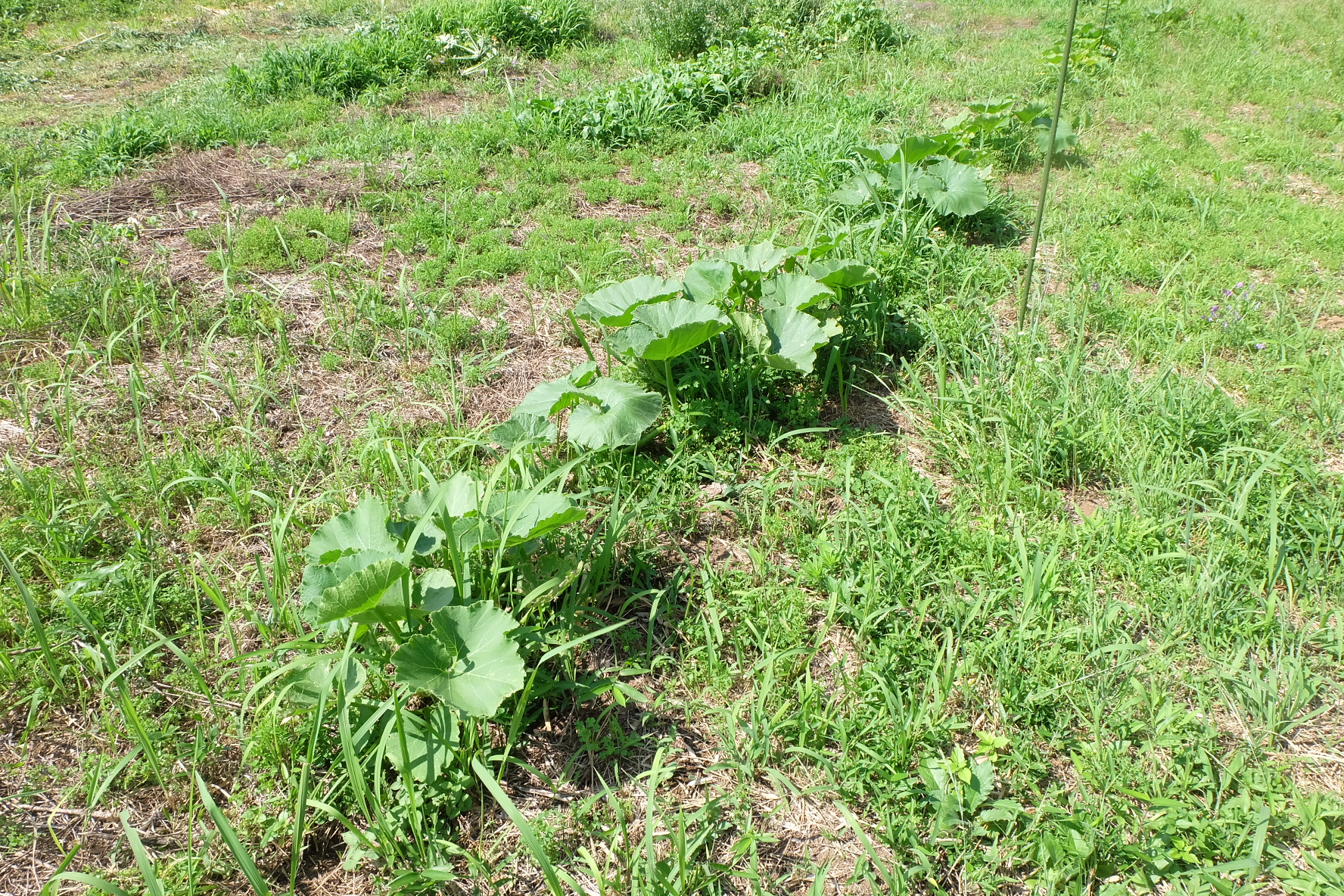

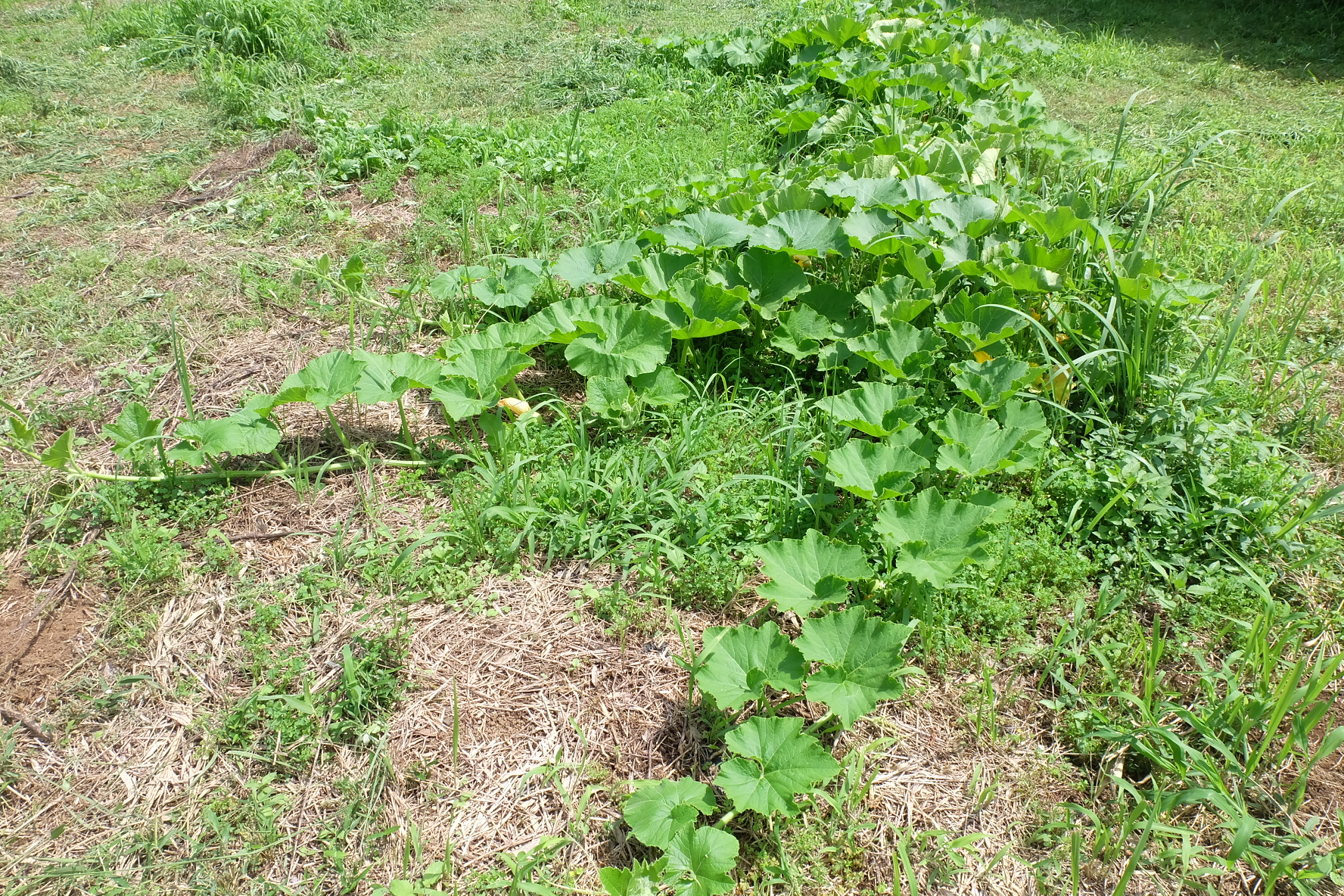



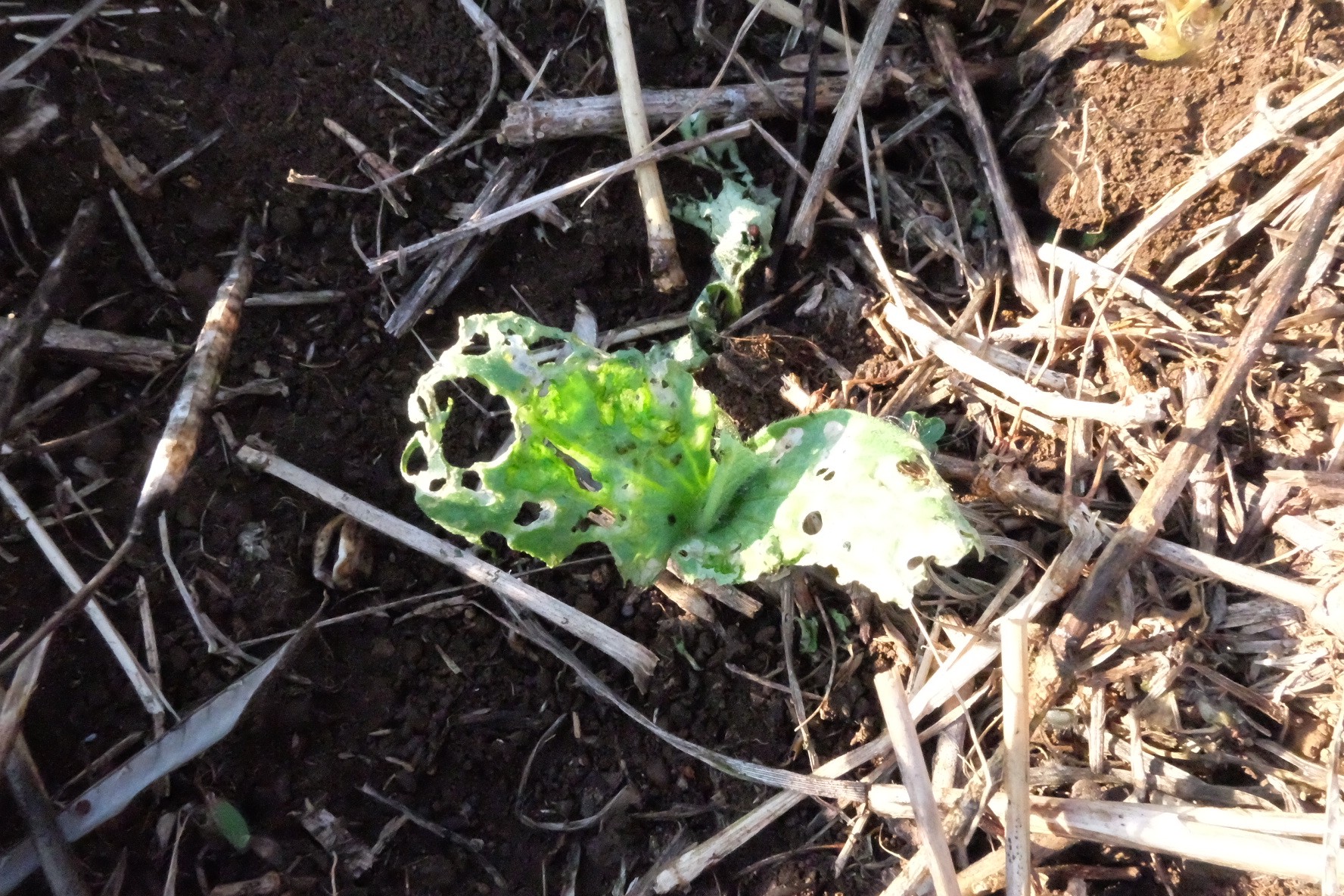
Extra (Squashes eaten by insects)
That's all.
コメント
コメントを投稿